What if your plastic suddenly had nowhere to go?
Here is what happens when China blocks plastic waste imports.
Yes, China is now blocking plastic waste imports. Since closing its doors to most plastic waste in 2017, the global trade of used plastics has been thrown into chaos. This article explores what this decision means for businesses, policymakers, and the planet. A clear call to rethink our approach and move toward a truly sustainable economy.
Plastic: essential, convenient… and a major problem
Since its invention, plastic has made its way into every part of our daily lives. Practical, affordable, and lightweight, production reached 322 million tons in 2015, compared to just 2 million in 1950. It dominates the packaging industry, representing 40% of all plastic use.
A material praised for its strengths; enabling attractive packaging design, protecting product integrity, making logistics easier, and offering a cost‑efficient solution. But behind this convenience lies a darker side: mountains of unrecycled waste.
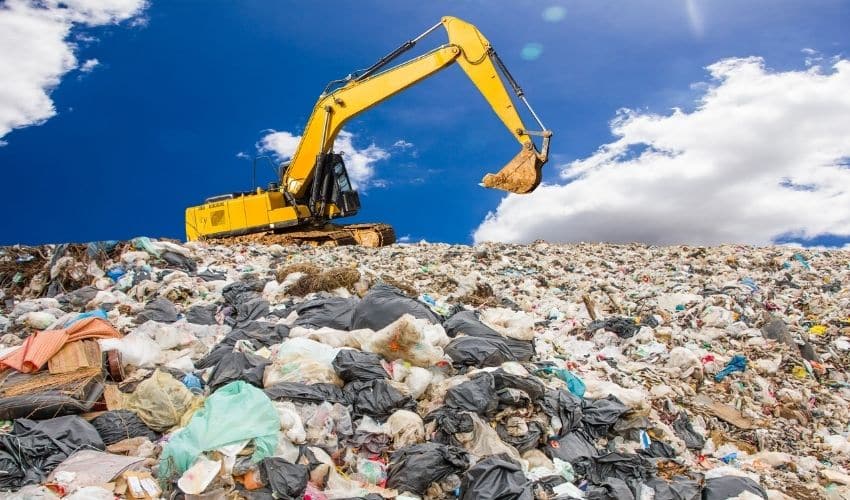
To date, 8.3 billion tons of plastic have been produced. 6.3 billion tons have already become waste, and only 9% of that is recycled. The rest is landfilled, incinerated, or ends up in nature – oceans included – generating massive environmental harm.
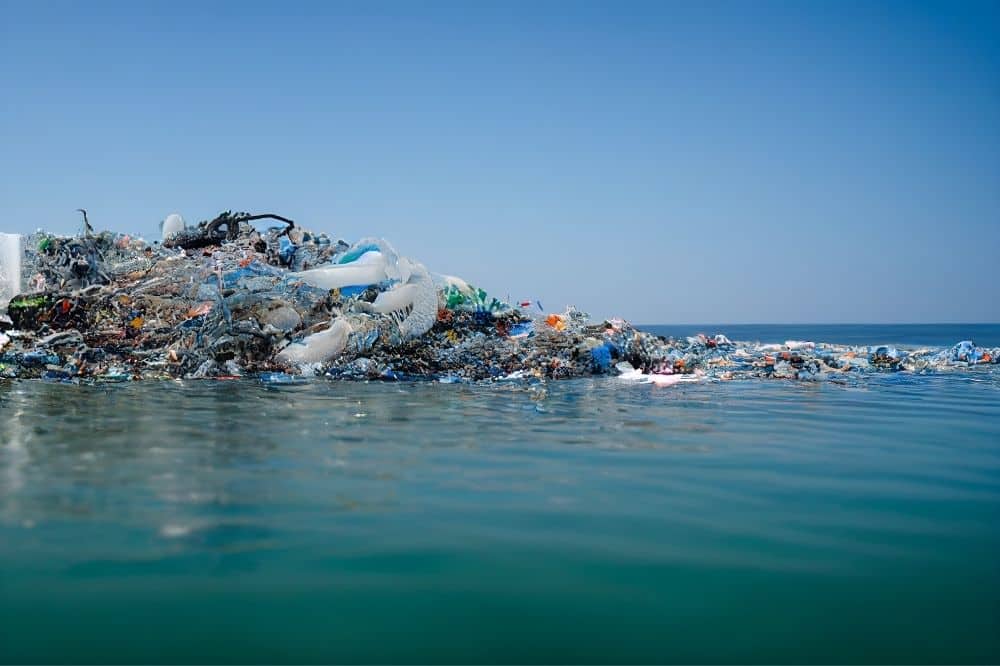
Between 4 and 12 million tons of plastic waste are dumped into the oceans every year. Plastic consumption has skyrocketed, but far too little attention has been given to what happens after use.
China blocks plastic waste imports: when the world’s landfill closes its gates
Until 2017, China absorbed 45% of the world’s plastic waste. For developed countries, exporting plastic waste to China became a convenient escape route — a way to ship their waste abroad instead of dealing with it domestically. China turned into an outlet where imported waste was processed and converted into new products for resale.
But excessive exploitation and increasingly poor‑quality imported materials pushed China to apply a sudden brake on this system.
In 2017, the Chinese government introduced new rules, banning imports of non‑industrial plastic waste. This shift immediately raised a crucial question:
“Where will the 111 million tons of plastic waste go between now and 2030?”
The challenges raised by the import ban
A paralyzed global trade: Exporter countries like the United States and members of the European Union – which heavily relied on China – now find themselves without viable solutions to manage such massive volumes of waste.
A shift in pollution: Southeast Asian countries like Vietnam and Malaysia are trying to take over the role China used to play. But their waste management infrastructures are often underdeveloped, worsening local pollution levels.
Increased environmental impact: In the absence of scalable alternatives, plastic waste ends up being incinerated or dumped in landfills – leading to higher greenhouse gas emissions and increased contamination risks for ecosystems.
China’s decision to block plastic waste imports has forced other nations to adapt and take immediate action to control the volume of waste they generate.
What European and American businesses should take away from this
China’s import ban triggered a wake-up call, and a need for real action.
The urgency of local solutions: It’s time to invest in domestic recycling infrastructure capable of effectively processing plastic waste.
While the upfront costs may seem high, the long-term economic and environmental benefits are priceless.
Design as a lever for transformation : Rethink product design to make items easier to recycle. Avoid complex material blends, use single polymers, and prioritize recyclable or reusable plastics. That’s a winning strategy for any company aiming to boost its sustainability, and take advantage of ecodesign principles.
The need for global regulation : Including plastics under the Basel Convention, and establishing international standards, would improve waste traceability and help ensure responsible waste management. A key concept: strict liability, forcing producers and exporters to guarantee proper end-of-life handling for their materials.
Turning waste into economic opportunity : Implementing a plastic import tax could help fund local infrastructure development and encourage countries to treat waste as a resource, not just a burden.
Why act now?
The plastic waste crisis isn’t just an environmental issue, it’s a strategic opportunity for businesses to stand out. Adopting responsible practices means reducing environmental impact, yes, but also meeting the growing demand from consumers for planet-friendly products.
China’s decision to block plastic waste at its borders has forced companies to rethink their internal waste management and plastic use.
Want to turn challenges into opportunities, and align your business goals with market expectations and regulatory trends? Let’s talk. Together, we’ll build a sustainable, innovative, and impactful strategy.
Plastic remains a key material for many businesses, and its global market is still growing to meet increasing demand.
Fortunately, the market now offers a wide range of innovative alternatives made from renewable resources. We help you identify the right bioplastic solutions to reduce your environmental impact without compromising on performance.